In today’s fast-changing academic and professional world, success is no longer built on individual talent alone. The ability to collaborate, communicate, and work effectively in teams has become one of the most valuable skills for students. That’s why collaborative learning and group work are increasingly important in modern education.
Whether in classrooms, universities, or future workplaces, students who learn to succeed together often perform better and develop stronger real-world skills.
What Is Collaborative Learning?
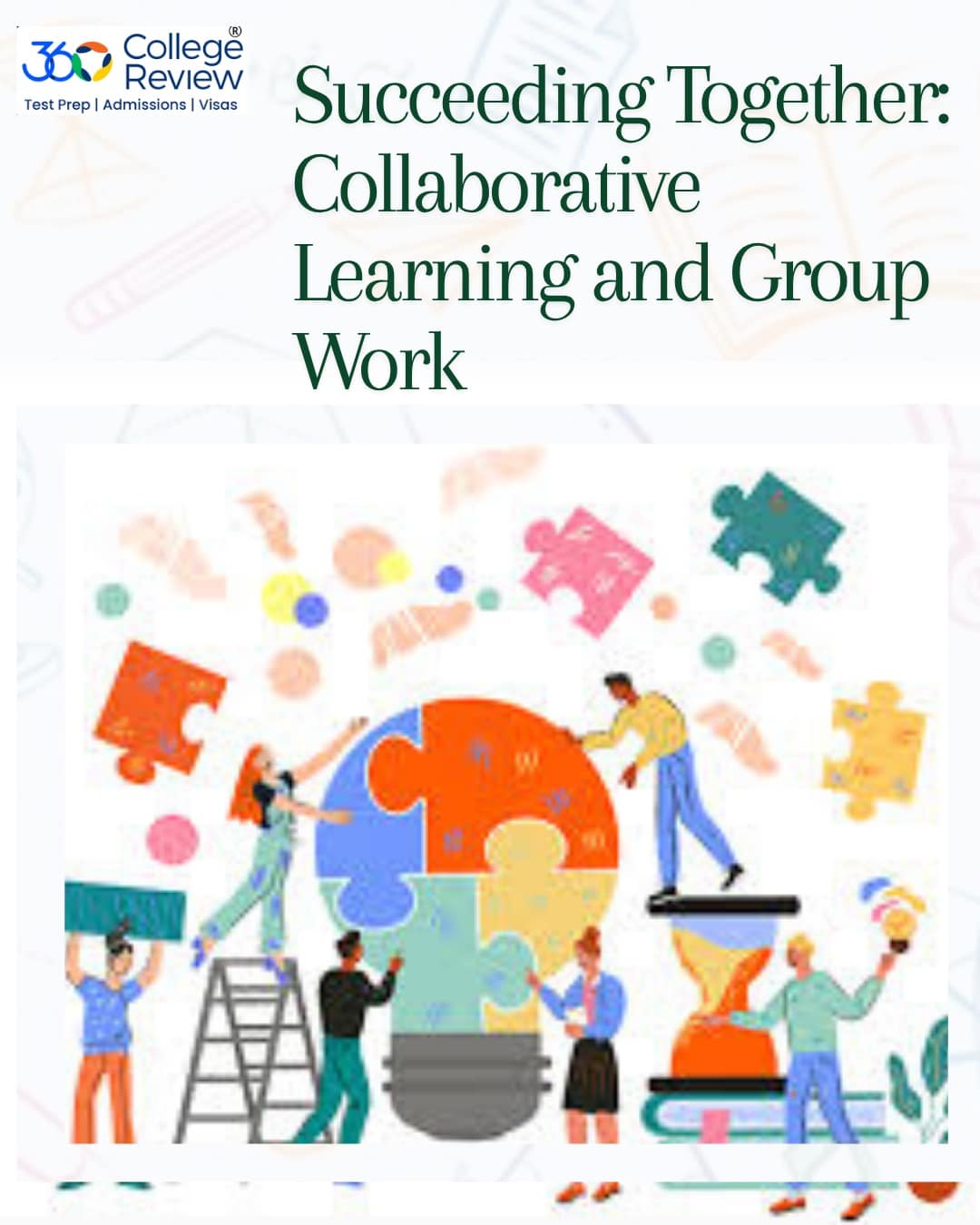
Collaborative learning is an educational approach where students work together in groups to solve problems, complete tasks, and understand concepts. Rather than learning independently, students share ideas, challenge perspectives, and support each other’s growth.
This method is widely used in top universities around the world because it mirrors real-life professional environments where teamwork is essential.
Benefits of Collaborative Learning
Working in groups helps students express their ideas clearly, listen actively, and engage in meaningful discussions—skills that are essential in both academics and careers.
When students collaborate, they are exposed to different viewpoints and problem-solving methods. This encourages deeper thinking and more creative solutions.
Studies show that students involved in group learning often retain information better and achieve higher academic outcomes compared to studying alone.
Group work teaches students how to manage tasks, delegate responsibilities, and take ownership of their contributions.
Most modern careers require teamwork. Learning how to collaborate effectively in education prepares students for future professional success.
Challenges of Group Work
While collaborative learning has many benefits, it also comes with challenges such as:
However, overcoming these challenges helps students build resilience, adaptability, and conflict-resolution skills.
How Students Can Succeed in Group Work
To make the most of collaborative learning:
Conclusion
Collaborative learning is more than just a classroom activity—it is a foundation for future success. Students who learn how to work effectively with others gain academic advantages and essential life skills that help them thrive in university and beyond.
– The Author is Mr. Ajay Thiara , Founder & Managing Director of 360 College Review