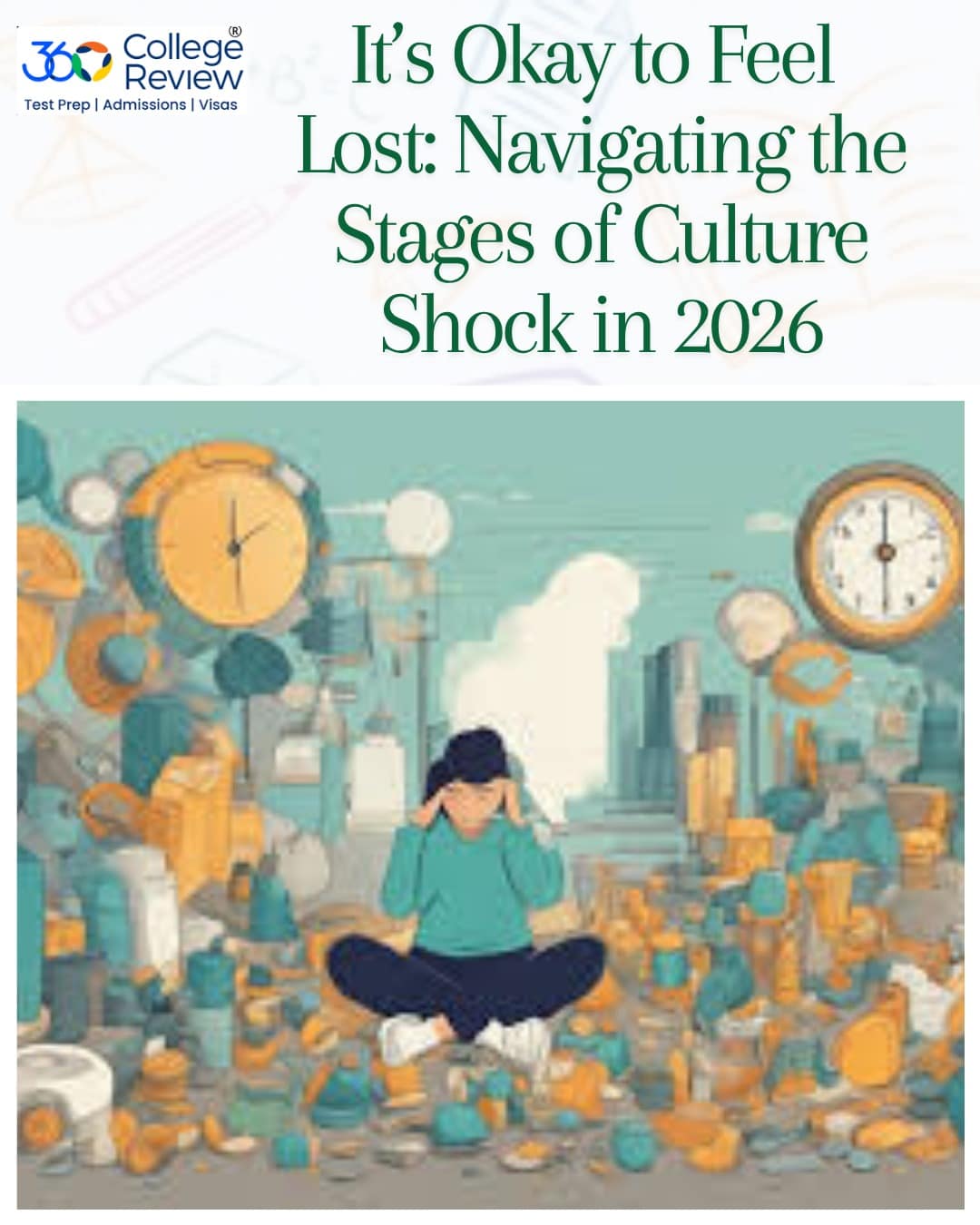
Studying abroad is an exciting dream for many students in 2026. From experiencing a new culture to gaining a world-class education, international education opens doors to endless opportunities. However, adjusting to a completely different environment is not always easy.
Many students experience moments of loneliness, confusion, or homesickness after moving abroad — and that is completely normal. This emotional adjustment is commonly known as culture shock, and almost every international student goes through it in some form.
Understanding the stages of culture shock can help students prepare mentally and adapt more confidently to their new life overseas.
What is Culture Shock?
Culture shock is the feeling of uncertainty or discomfort people experience when they enter a new cultural environment. Different languages, teaching styles, food habits, weather, and social expectations can make students feel emotionally overwhelmed at first.
In 2026, with more students traveling internationally for education than ever before, awareness about mental well-being and emotional adjustment has become an important part of the study abroad journey.
The good news is that culture shock is temporary — and with time, students learn to adapt and grow stronger.
Stage 1: The Excitement Phase
The first stage is usually full of excitement. Everything feels new and interesting — the university campus, public transport, local food, and even daily routines.
Students often feel highly motivated during this phase and enjoy exploring their new surroundings.
Common emotions during this stage:
This phase can last from a few days to several weeks depending on the student and environment.
Stage 2: The Frustration Phase
After the excitement fades, reality begins to set in. Students may start missing home, struggling with communication, or finding it difficult to adjust academically and socially.
This is the stage where culture shock feels the strongest.
Students may experience:
It is important to remember that these feelings are completely normal and experienced by many international students.
Stage 3: The Adjustment Phase
With time, students slowly begin adapting to their new environment. Daily activities become easier, confidence improves, and students start creating routines.
They also begin understanding cultural differences better and feel more comfortable socially and academically.
Signs of adjustment include:
This phase marks the beginning of emotional stability abroad.
Stage 4: The Acceptance Phase
In the final stage, students feel comfortable balancing both their home culture and their new environment. They become more confident, independent, and open-minded.
Although students may still miss home occasionally, they no longer feel overwhelmed by cultural differences.
Benefits of reaching this stage:
Many students eventually look back and realize that overcoming culture shock helped them grow both personally and professionally.
Tips for Managing Culture Shock in 2026
Stay Connected With Family
Regular communication with loved ones can provide emotional support during difficult times.
Participate in Campus Activities
Joining clubs, student groups, and university events helps students make friends and feel more included.
Keep an Open Mind
Instead of comparing everything to home, try to learn and appreciate cultural differences.
Create a Healthy Routine
Good sleep, proper meals, and regular exercise can positively impact mental well-being.
Seek Support When Needed
Most universities now provide counseling and support services specifically for international students.
Conclusion
Feeling lost in a new country does not mean you are failing — it means you are adjusting, learning, and growing. Culture shock is a natural part of the international student experience, and every challenge faced abroad helps build resilience and confidence.
Studying overseas is not only about academics; it is also about personal transformation. With patience, support, and the right mindset, students can successfully overcome culture shock and make the most of their global education journey.
– The Author is Mr. Ajay Thiara , Founder & Managing Director of 360 College Review