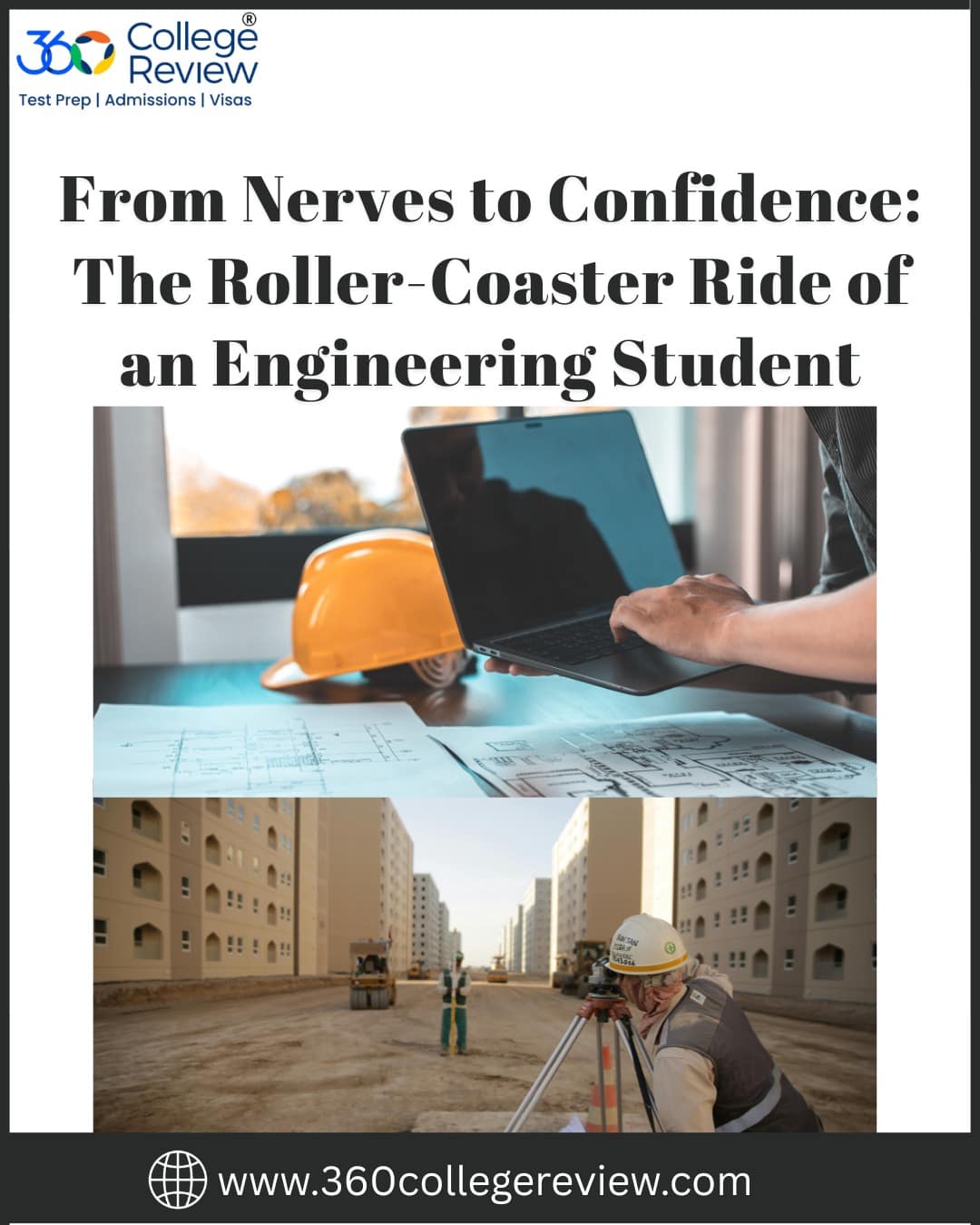
Engineering is often described as one of the most challenging yet rewarding academic paths. For many students, the journey begins with excitement mixed with uncertainty. From attending the first lecture to completing the final project, every stage brings new lessons, challenges, and achievements. It is truly a roller-coaster ride that transforms nervous beginners into confident professionals.
The First Step: Excitement Meets Anxiety
The first few weeks of engineering can feel overwhelming. Students enter college with dreams of building innovative technologies and securing successful careers, but they soon discover demanding coursework, practical labs, assignments, and deadlines. Adjusting to a new learning environment while making new friends can be stressful, especially for students studying away from home.
Learning through Challenges
Engineering is not just about memorizing formulas or writing exams. It encourages students to think critically, solve real-world problems, and work on practical projects. While setbacks such as low grades, failed experiments, or coding errors may seem discouraging, they become valuable learning experiences that help students grow stronger and more resilient.
Developing Skills beyond the Classroom
Engineering education also focuses on developing skills that employers value. Students improve their communication, teamwork, leadership, and time management abilities by participating in group projects, technical competitions, internships, workshops, and industry events. These experiences prepare them for professional life and increase their confidence.
The Importance of Practical Exposure
Internships and industry placements allow students to apply classroom knowledge in real work environments. They gain hands-on experience, understand workplace expectations, and build professional networks. Practical exposure not only strengthens technical knowledge but also helps students identify their career interests.
Growing Confidence with Every Milestone
As students progress through their degree, the challenges that once seemed impossible gradually become manageable. Completing projects, presenting ideas, earning certifications, and successfully solving complex problems build confidence. By the final year, many students realize how much they have grown both academically and personally.
Preparing for a Global Engineering Career
Engineering graduates are in demand across industries such as artificial intelligence, software development, renewable energy, robotics, civil infrastructure, manufacturing, and healthcare technology. Studying engineering at an internationally recognized university provides access to advanced laboratories, experienced faculty, global internships, and excellent career opportunities. It also helps students develop the adaptability and global perspective needed to succeed in today’s competitive job market.
Final Thoughts
The engineering journey is filled with ups and downs, but every challenge contributes to personal and professional growth. The nervousness experienced in the beginning gradually transforms into confidence, resilience, and readiness for a successful career. With determination, practical learning, and the right guidance, engineering students can turn their ambitions into reality.
– The Author is Mr. Ajay Thiara , Founder & Managing Director of 360 College Review