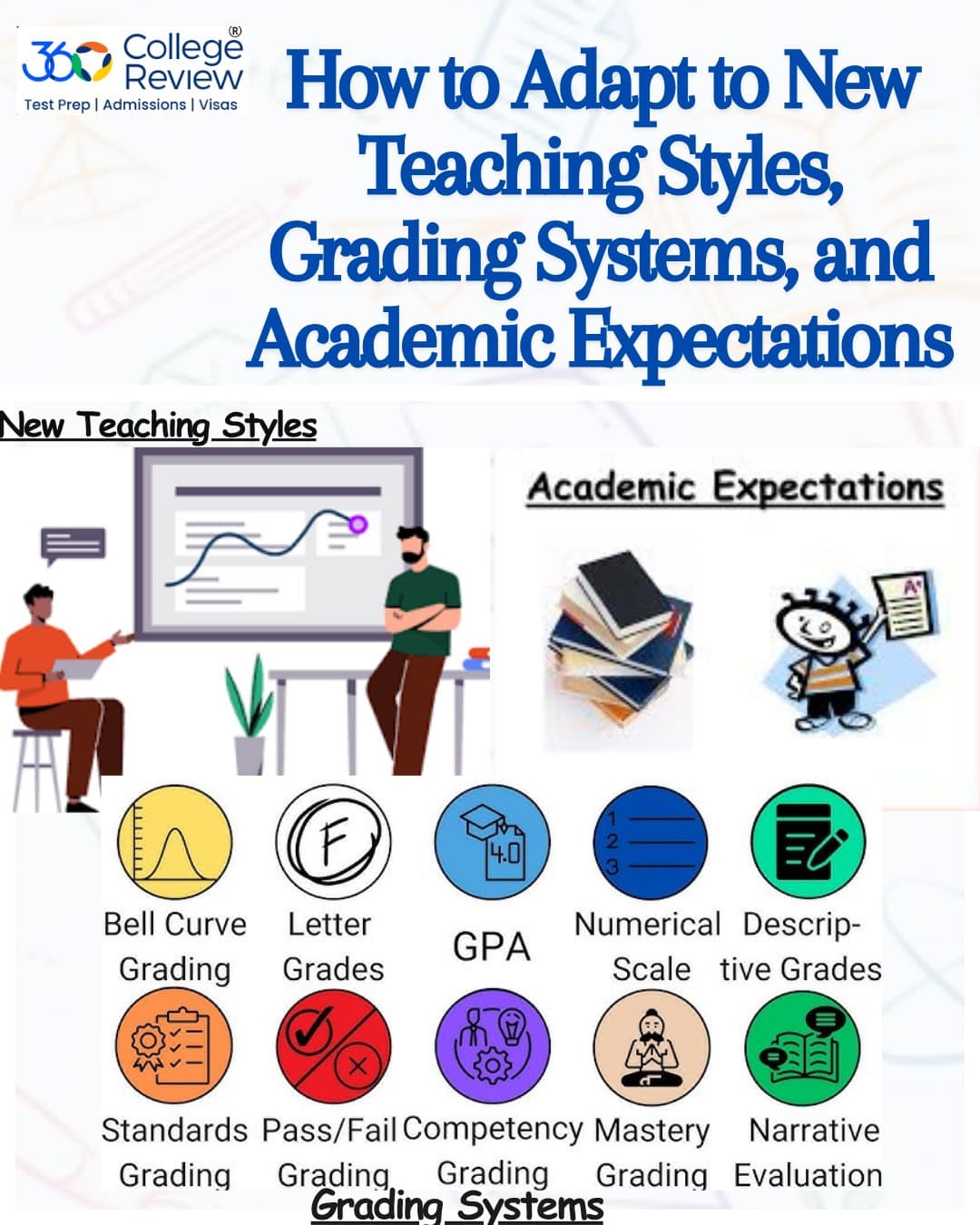
Starting your studies in a new country can be exciting, but it also comes with challenges. One of the biggest adjustments many students face is adapting to unfamiliar teaching methods, grading systems, and academic expectations. What worked well in your previous educational environment may not always be enough in a new academic setting.
The good news is that with the right mindset and strategies, you can successfully adapt and thrive in your new learning environment.
Understanding Different Teaching Styles
Educational institutions around the world use different approaches to teaching. Some focus heavily on lectures and examinations, while others encourage interactive learning, group discussions, presentations, and independent research.
You may notice that your professors expect you to participate actively in class, ask questions, share opinions, and engage in critical thinking. Instead of memorizing information, you may be encouraged to analyze, evaluate, and apply concepts to real-world situations.
Being open-minded and willing to embrace new learning methods can make this transition much smoother.
Learning the Grading System
Grading systems vary significantly from one country to another. Some institutions use percentages, while others use GPA scales, letter grades, or credit-based evaluations.
Take time to understand:
Review your course syllabus carefully and don’t hesitate to ask instructors for clarification if something is unclear. Understanding how your performance is measured helps you set realistic academic goals.
Develop Strong Time Management Skills
Many international education systems place a greater emphasis on self-directed learning. Professors may provide fewer reminders, expecting students to manage their own schedules and responsibilities.
To stay organized:
Good time management reduces stress and improves academic performance.
Improve Communication with Professors
In many universities, instructors encourage students to communicate openly. If you are struggling with coursework, concepts, or assignments, reaching out early can be extremely beneficial.
Attend office hours, participate in discussions, and ask questions whenever needed. Building a positive relationship with your professors can help you gain valuable academic guidance and support.
Strengthen Critical Thinking and Research Skills
Academic expectations often extend beyond textbook knowledge. Students may be required to conduct research, evaluate sources, develop arguments, and present evidence-based conclusions.
To improve these skills:
These abilities not only help you succeed academically but also prepare you for future professional opportunities.
Seek Support When Needed
Adjusting to a new academic culture takes time. Most institutions offer support services such as academic advisors, tutoring centers, writing workshops, and student mentoring programs.
Taking advantage of these resources can help you overcome challenges and build confidence in your academic journey.
Embrace a Growth Mindset
Remember that adapting to a new educational system is a learning experience in itself. Initial difficulties are normal, and every challenge presents an opportunity to grow. Stay patient, remain flexible, and celebrate small achievements along the way.
Success is not about adapting overnight—it’s about making consistent progress and being willing to learn from new experiences.
Conclusion
Adapting to new teaching styles, grading systems, and academic expectations may feel overwhelming at first, but it is an essential part of studying abroad. By staying proactive, managing your time effectively, seeking support, and embracing new learning approaches, you can confidently navigate your academic journey and achieve your goals.
– The Author is Mr. Ajay Thiara , Founder & Managing Director of 360 College Review