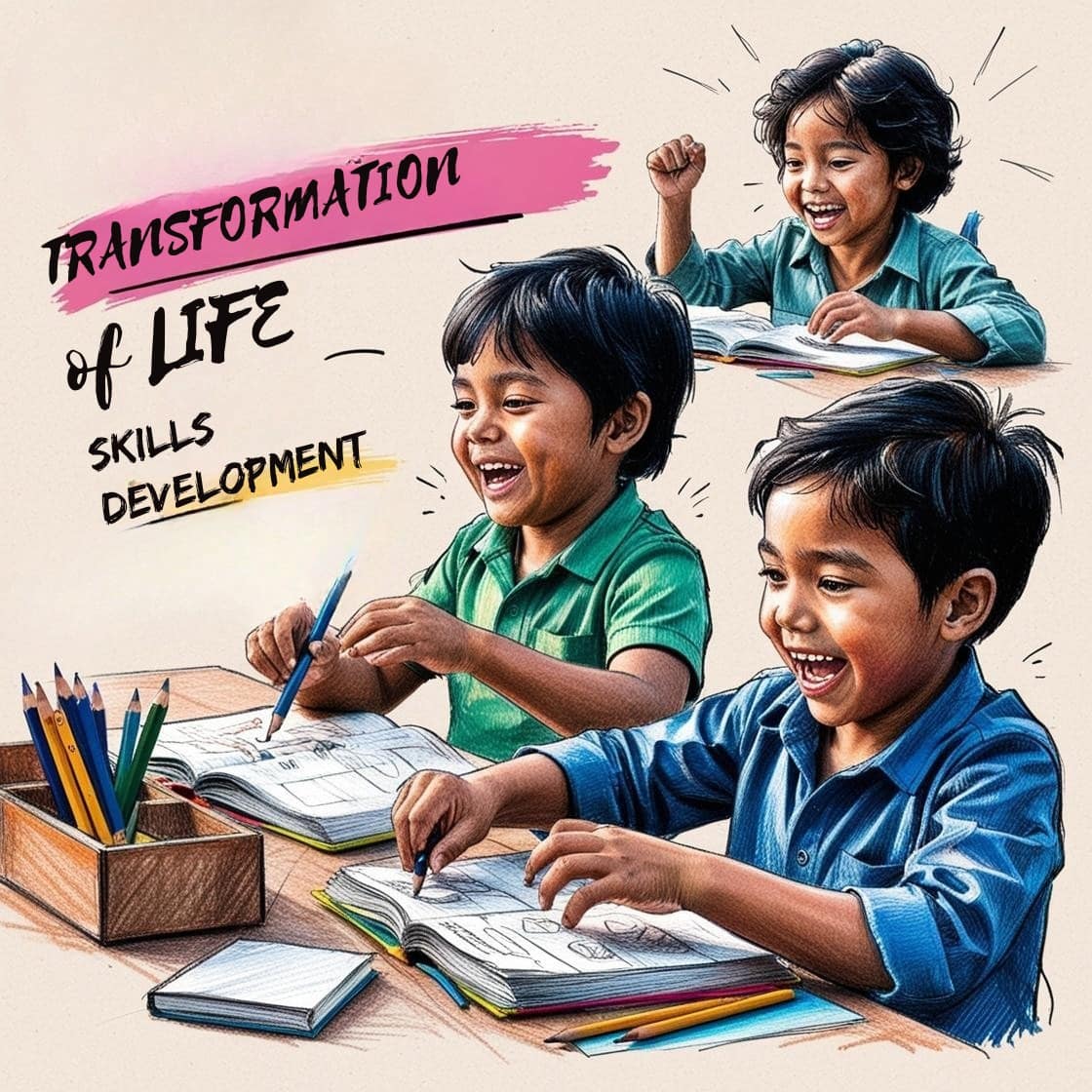
Education is changing faster than ever. With artificial intelligence now part of everyday life, parents face a new challenge: helping their children build strong life skills alongside traditional subjects. Good marks still matter, but they are no longer enough. Students also need the skills to think, adapt, communicate and stay resilient in a world that keeps changing.
Understanding the Life Skills Gap
Our own experience with students, and research from around the world, shows that traditional teaching methods do not fully prepare young people for real life. According to the World Economic Forum’s Future of Jobs Report 2025, employers expect around 39% of workers’ core skills to change by 2030. The same report estimates that 170 million new jobs will be created and 92 million will be displaced by the end of the decade. For parents, the lack of clear guidance on which skills will matter most is one of the biggest obstacles to preparing their children for the future.
The Life Skills Your Child Needs in 2027-28:
- Critical Thinking and Problem Solving
- Digital Literacy and Responsible Use of AI
- Communication and Interpersonal Skills
- Cultural Awareness and Global Perspective
- Emotional Intelligence and Stress Management
- Creative Thinking and Innovation
- Decision Making and Leadership
- Self-awareness, Adaptability and Lifelong Learning
Why Traditional Education Isn’t Enough?
Schools are good at teaching academic subjects, but many still find it difficult to build life skills into everyday learning. India’s National Education Policy (NEP) 2020 places strong emphasis on skills, experiential learning and holistic development, and schools are gradually introducing subjects such as AI and computational thinking at an early age. Even so, there is still a gap between what students expect from school and what they actually receive. That is where parents and structured programmes play an important role.
How Personalised Skill Assessment Advances Life Skills?
A personalised assessment looks at your child’s current strengths and areas for growth. Based on the results, a tailored development plan is created to match their specific needs and goals, instead of a one-size-fits-all approach.
Focus of Skill Development Programmes:
Well-designed programmes build core life skills through practical scenarios, real-world challenges, group projects and active participation. In 2027-28, good programmes also teach children how to use AI tools wisely, question online information and protect their wellbeing in a digital world.
Keep Monitoring Regular Progress:
Regular check-ins show whether skills are really improving. Progress tracking helps parents and mentors adjust the plan as the child grows. Over time, students become more confident in higher education, more prepared for changing careers, better at handling relationships and more resilient when facing challenges.
The Impact on Future Success
Research shows that students with strong life skills are:
- More likely to succeed in higher education and university admissions
- Better prepared for workplace challenges
- More adaptable to changing career demands and new technologies
- Better equipped to handle personal and professional relationships
- More resilient in facing life’s challenges
How Early Should Life Skills Development Start?
The world of work is changing at an unprecedented pace, and AI is reshaping many jobs. Starting life skills development early ensures your child is ready for:
- New and emerging career opportunities
- Working alongside AI and advanced technology
- Global and multicultural workplaces
- Rapid changes across industries
- Complex, real-world problem-solving
The Role of Education Consultants in Life Skills Development
Education consultants understand that targeted, personalised strategies are essential to develop these skills. Their expertise helps bridge the gap between traditional education and the demands of the modern world, including university applications abroad, where skills, activities and personal qualities matter as much as grades.
Taking the Next Step
The right time to start building these abilities is now. Our educational consulting services offer:
- Initial skills assessment
- Customised development plans
- Expert guidance and support
- Regular progress updates
- Flexible learning options
Contact Us Today
Schedule a free consultation and let us show you how we can guide your child in building the key life skills needed for 2027-28 and beyond. Our professional education consultants will create a customised plan to help your child get ready for the future.
Are you ready to invest in your child’s success? Contact our education consulting team at info@360collegereview.com, call us on +919115772360 or explore our website for more details on our life skills development programmes.
– The Author is Mr. Ajay Thiara , Founder & Managing Director of 360 College Review